Long Term Care and Nursing Home Information Systems Market Overview and Analysis
The Global Long-Term Care Market size was estimated at USD 2.11 trillion in 2026 and is projected to reach USD 4.04 trillion by 2033, growing at a CAGR of 10.6% from 2026-2033.
The Global Long-Term Care Market comprises services and support systems designed to assist individuals with chronic illnesses, disabilities, or functional limitations over extended periods. It includes home healthcare, nursing care, assisted living, and hospice services provided in institutional and community settings. Demand is driven by rapidly aging populations, rising chronic disease prevalence, and increased life expectancy, necessitating continuous care beyond acute medical treatment. The market integrates professional caregiving, rehabilitation, personal care, and medical assistance to enhance quality of life and independence. Growth is influenced by healthcare policies, demographic shifts, technological integration, and payer structures that shape accessibility and affordability worldwide.
Long Term Care and Nursing Home Information Systems Market Latest Trends
The long-term care market is experiencing significant transformation due to demographic and technological shifts. Aging societies are sharply increasing demand for both home-based and institutional care, with many older adults preferring “aging in place.” Providers are adopting digital tools like telehealth, remote patient monitoring, electronic records, and AI-driven scheduling to enhance efficiency, safety, and personalized care delivery. Integration of smart home devices and wearable health technologies improves real-time health tracking. Policy reform and expanded reimbursement for home and community-based services are also encouraging diversified care models. The focus on preventive and coordinated care emphasizes holistic approaches over episodic treatment.
Segmentation: The Global Long-Term Care Market is segmented by Service Type (Home Healthcare Services, Hospice Care, Skilled Nursing Facilities, Assisted Living Facilities, Adult Day Care & Community Services and Rehabilitation Services), End-User (Elderly Individuals, Individuals with Disabilities, Chronic Illness Patients, Post-Acute / Rehabilitation Patients and Other long-term care recipients), Funding Source (Private Insurance, Public Insurance, Out-of-Pocket Payments and Hybrid / Mixed Funding Models), and Geography (North America, Europe, Asia-Pacific, Middle East and Africa, and South America). The report provides the value (in USD million) for the above segments.
Market Drivers:
The primary driver of the global long-term care market is the rapidly aging global population. Worldwide, the number of individuals aged 65 and over is increasing sharply, driven by rising life expectancy and lower birth rates. Older adults are more likely to experience chronic conditions, mobility limitations, and disabilities that require ongoing care services. This demographic shift heightens demand across all service types, including home healthcare, nursing care, and assisted living. Policy initiatives in many countries support expanded long-term care benefits and insurance schemes, further catalyzing market expansion as governments and private payers respond to increasing care needs among aging populations.
- Technological Integration
Technological integration is another key driver propelling the global long-term care market. Providers are adopting telemedicine, remote monitoring systems, electronic care planning, and artificial intelligence tools to improve service delivery, patient safety, and operational efficiency. Wearable health trackers and smart home devices enable real-time health data collection, risk detection, and better chronic disease management. Technology also supports caregiver scheduling, medication management, and communication between care teams and families. The increased use of digital solutions enhances care quality, reduces costs associated with complications and institutionalization, and expands access to remote and home-based care — particularly important in regions with provider shortages or limited infrastructure.
Market Restraints:
- Workforce Shortages and Operational Challenges
A major restraint on the long-term care market is persistent workforce shortages and operational challenges. Care facilities and home care providers often struggle to recruit and retain skilled caregivers, nurses, and support staff, which limits service capacity and impacts care quality.
Low caregiver-to-patient ratios, high turnover rates, and burnout increase operational costs and constrain scalability. Regulatory compliance, administrative complexity, and rising labor expenditures further strain providers’ resources. For instance, the 2025 CareScout Cost of Care Survey revealed rising long-term care expenses in Kentucky, which contributed to higher staff turnover and caregiver burnout. Increased labor pressures and operational costs constrained service delivery, limiting expansion and slowing growth in the global long-term care market by reducing provider capacity and profitability.
These factors make it difficult to expand services, particularly in rural or underserved regions. Staffing shortages also hinder adoption of innovative care models that require skilled personnel to implement and maintain digital systems.
Socioeconomic Impact on Long Term Care and Nursing Home Information Systems Market
The global long-term care market significantly affects socioeconomic structures by supporting aging populations, relieving family caregivers, and shaping labor markets. Continuous care provision improves the quality of life and health outcomes for seniors and chronically ill individuals, reducing hospital readmissions and overall healthcare costs. The sector generates employment across caregiving, therapy, administration, and technology roles, yet faces workforce shortages that constrain service capacity. Public and private expenditures on long-term care are substantial, pressuring healthcare budgets and insurance systems. Equitable access remains a societal challenge, as disparities in funding and infrastructure affect rural and low-income communities, influencing policy priorities and private investment strategies.
Segmental Analysis:
- Assisted Living Facilities segment is expected to witness highest growth over the forecast period
The assisted living facilities segment is expected to witness the highest growth over the forecast period due to rising preference for supportive, community-based residential care among aging populations. Elderly individuals increasingly seek alternatives to traditional nursing homes that provide independence alongside daily assistance, medication management, and social engagement. Growth is further supported by expanding middle-class income levels, urbanization, and demand for personalized care services. Operators are enhancing facilities with wellness programs, memory care units, and technology-enabled monitoring systems to improve safety and quality of life. Favorable regulatory frameworks and increasing private investment in senior housing infrastructure are also accelerating expansion globally.
- Chronic Illness Patients segment is expected to witness highest growth over the forecast period
The chronic illness patients’ segment is projected to experience the highest growth as the global burden of long-term conditions such as diabetes, cardiovascular diseases, respiratory disorders, and neurodegenerative illnesses continues to rise. These patients require continuous monitoring, medication management, rehabilitation, and assistance with daily living activities, increasing reliance on structured long-term care services. Aging populations and lifestyle-related risk factors further expand this patient base. Healthcare systems are shifting toward integrated care models that emphasize long-term disease management rather than episodic treatment. This trend drives sustained demand for both home-based and institutional care solutions tailored to complex, ongoing medical needs.
- Public Insurance segment is expected to witness highest growth over the forecast period
The public insurance segment is anticipated to witness the highest growth over the forecast period as governments expand healthcare coverage to address the needs of rapidly aging populations. Many countries are increasing funding for long-term care benefits under national health programs to reduce the financial burden on families and prevent hospital overcrowding. Policy reforms aimed at strengthening home- and community-based services are channeling greater reimbursement toward long-term care providers. Rising awareness of social protection and equitable healthcare access further supports expansion. As demographic pressures intensify, public payers are expected to play an increasingly central role in financing sustainable long-term care systems.
- North America Region is expected to witness highest growth over the forecast period
North America is expected to record the highest growth in the long-term care market due to its rapidly expanding elderly population and high prevalence of chronic diseases.
Strong healthcare infrastructure, established reimbursement systems, and widespread adoption of home healthcare services support sustained market expansion. For instance, in November 2025, NYC Health + Hospitals’ post-acute care facilities received top 2026 U.S. News & World Report honors, highlighting quality excellence. This recognition reinforced North America’s long-term care market by setting benchmarks for performance, driving competition, and encouraging higher standards across regional providers.
The region also benefits from technological integration, including remote monitoring, telehealth, and digital care coordination platforms. Increased government spending on Medicare- and Medicaid-supported long-term services further strengthens demand. Additionally, the presence of large private care providers and ongoing investments in senior housing and community-based care models reinforce North America’s leadership position.
Long Term Care and Nursing Home Information Systems Market Competitive Landscape
The competitive landscape of the global long-term care market features a mix of large multinational care providers and regional operators specializing in nursing, assisted living, hospice, and home healthcare services. Major firms focus on geographic expansion, service diversification, acquisitions, and technology adoption to differentiate offerings and improve care quality. Competitive strategies also include partnerships with technology companies to integrate digital health systems for operations, patient monitoring, and data analytics. Government and private reimbursement structures influence positioning, while innovation in remote care and value-based care models shapes competitive advantage. Market consolidation and strategic collaborations continue as providers seek scale and efficiency in an increasingly demand-driven environment.
The major players are:
- Brookdale Senior Living Inc.
- Sunrise Senior Living
- Atria Senior Living Group
- Genesis HealthCare
- Kindred Healthcare
- Amedisys Inc.
- LHC Group Inc.
- Almost Family Inc.
- Encompass Health Corporation
- Diversicare Healthcare Services Inc.
- Home Instead Senior Care
- Extendicare Inc.
- Sonida Senior Living (Capital Senior Living)
- Senior Care Centers of America
- Bayada Home Health Care (industry)
- Right at Home LLC
- Interim HealthCare Inc.
- Care.com, Inc.
- Homage (Singapore)
- Seniors First (India)
Recent Development
- In February 2026, The Ministry of Social Justice and Empowerment’s initiatives, including AVYAY and IPSrC, strengthened India’s long-term care infrastructure by supporting senior homes, continuous care centers, mobile medical units, and physiotherapy clinics. These efforts improved elderly care delivery, highlighted care dependency needs, and indirectly influenced global long-term care strategies and market development.
- In October 2025, Sienna Senior Living’s 2025 completion of the 160-bed Oakwood Commons in Brantford modernized long-term care infrastructure, enhanced service quality, and demonstrated redevelopment potential, positively influencing global long-term care market trends by showcasing capacity expansion and improved resident-focused care models.
Frequently Asked Questions (FAQ) :
Q1. What are the main growth-driving factors for this market?
The primary driver is the rapidly aging global population, with millions entering the "silver economy" annually. Increasing life expectancy is rising alongside a higher prevalence of chronic diseases like dementia and Alzheimer's. Growth is further accelerated by government subsidies, supportive healthcare policies, and the integration of telehealth and remote monitoring technologies.
Q2. What are the main restraining factors for this market?
Growth is significantly hampered by a global shortage of skilled caregivers and nursing staff, leading to high labor costs and wage inflation. High service costs often exceed consumer savings, especially in emerging markets. Additionally, stringent regulatory compliance and concerns over data privacy for connected health devices create barriers for new entrants.
Q3. Which segment is expected to witness high growth?
The chronic illness patients’ segment is expected to witness the highest growth over the forecast period due to the rising global prevalence of long-term conditions such as diabetes, cardiovascular diseases, and neurological disorders. Increasing life expectancy and demand for continuous monitoring, rehabilitation, and supportive care are significantly driving sustained expansion of long-term care services.
Q4. Who are the top major players for this market?
The market is led by established service providers and senior living specialists, including Brookdale Senior Living, Sunrise Senior Living, and Amedisys. Other dominant players include LHC Group, Atria Senior Living, Genesis Healthcare, and ORPEA Group. These companies maintain their lead through strategic acquisitions and specialized memory-care programs.
Q5. Which country is the largest player?
The United States is the largest market player, accounting for nearly 40% of global revenue. Its leadership is cemented by a massive "baby boomer" demographic, high healthcare spending, and extensive public funding through Medicare and Medicaid. The presence of world-leading LTC corporations and a mature private insurance ecosystem further drives its dominance.
List of Figures
Figure 1: Global Long Term Care and Nursing Home Information Systems Market Revenue Breakdown (USD Billion, %) by Region, 2019 & 2027
Figure 2: Global Long Term Care and Nursing Home Information Systems Market Value Share (%), By Segment 1, 2019 & 2027
Figure 3: Global Long Term Care and Nursing Home Information Systems Market Forecast (USD Billion), by Sub-Segment 1, 2016-2027
Figure 4: Global Long Term Care and Nursing Home Information Systems Market Forecast (USD Billion), by Sub-Segment 2, 2016-2027
Figure 5: Global Long Term Care and Nursing Home Information Systems Market Value Share (%), By Segment 2, 2019 & 2027
Figure 6: Global Long Term Care and Nursing Home Information Systems Market Forecast (USD Billion), by Sub-Segment 1, 2016-2027
Figure 7: Global Long Term Care and Nursing Home Information Systems Market Forecast (USD Billion), by Sub-Segment 2, 2016-2027
Figure 8: Global Long Term Care and Nursing Home Information Systems Market Forecast (USD Billion), by Sub-Segment 3, 2016-2027
Figure 9: Global Long Term Care and Nursing Home Information Systems Market Forecast (USD Billion), by Others, 2016-2027
Figure 10: Global Long Term Care and Nursing Home Information Systems Market Value Share (%), By Segment 3, 2019 & 2027
Figure 11: Global Long Term Care and Nursing Home Information Systems Market Forecast (USD Billion), by Sub-Segment 1, 2016-2027
Figure 12: Global Long Term Care and Nursing Home Information Systems Market Forecast (USD Billion), by Sub-Segment 2, 2016-2027
Figure 13: Global Long Term Care and Nursing Home Information Systems Market Forecast (USD Billion), by Sub-Segment 3, 2016-2027
Figure 14: Global Long Term Care and Nursing Home Information Systems Market Forecast (USD Billion), by Others, 2016-2027
Figure 15: Global Long Term Care and Nursing Home Information Systems Market Value (USD Billion), by Region, 2019 & 2027
Figure 16: North America Long Term Care and Nursing Home Information Systems Market Value Share (%), By Segment 1, 2019 & 2027
Figure 17: North America Long Term Care and Nursing Home Information Systems Market Forecast (USD Billion), by Sub-Segment 1, 2016-2027
Figure 18: North America Long Term Care and Nursing Home Information Systems Market Forecast (USD Billion), by Sub-Segment 2, 2016-2027
Figure 19: North America Long Term Care and Nursing Home Information Systems Market Value Share (%), By Segment 2, 2019 & 2027
Figure 20: North America Long Term Care and Nursing Home Information Systems Market Forecast (USD Billion), by Sub-Segment 1, 2016-2027
Figure 21: North America Long Term Care and Nursing Home Information Systems Market Forecast (USD Billion), by Sub-Segment 2, 2016-2027
Figure 22: North America Long Term Care and Nursing Home Information Systems Market Forecast (USD Billion), by Sub-Segment 3, 2016-2027
Figure 23: North America Long Term Care and Nursing Home Information Systems Market Forecast (USD Billion), by Others, 2016-2027
Figure 24: North America Long Term Care and Nursing Home Information Systems Market Value Share (%), By Segment 3, 2019 & 2027
Figure 25: North America Long Term Care and Nursing Home Information Systems Market Forecast (USD Billion), by Sub-Segment 1, 2016-2027
Figure 26: North America Long Term Care and Nursing Home Information Systems Market Forecast (USD Billion), by Sub-Segment 2, 2016-2027
Figure 27: North America Long Term Care and Nursing Home Information Systems Market Forecast (USD Billion), by Sub-Segment 3, 2016-2027
Figure 28: North America Long Term Care and Nursing Home Information Systems Market Forecast (USD Billion), by Others, 2016-2027
Figure 29: North America Long Term Care and Nursing Home Information Systems Market Forecast (USD Billion), by U.S., 2016-2027
Figure 30: North America Long Term Care and Nursing Home Information Systems Market Forecast (USD Billion), by Canada, 2016-2027
Figure 31: Latin America Long Term Care and Nursing Home Information Systems Market Value Share (%), By Segment 1, 2019 & 2027
Figure 32: Latin America Long Term Care and Nursing Home Information Systems Market Forecast (USD Billion), by Sub-Segment 1, 2016-2027
Figure 33: Latin America Long Term Care and Nursing Home Information Systems Market Forecast (USD Billion), by Sub-Segment 2, 2016-2027
Figure 34: Latin America Long Term Care and Nursing Home Information Systems Market Value Share (%), By Segment 2, 2019 & 2027
Figure 35: Latin America Long Term Care and Nursing Home Information Systems Market Forecast (USD Billion), by Sub-Segment 1, 2016-2027
Figure 36: Latin America Long Term Care and Nursing Home Information Systems Market Forecast (USD Billion), by Sub-Segment 2, 2016-2027
Figure 37: Latin America Long Term Care and Nursing Home Information Systems Market Forecast (USD Billion), by Sub-Segment 3, 2016-2027
Figure 38: Latin America Long Term Care and Nursing Home Information Systems Market Forecast (USD Billion), by Others, 2016-2027
Figure 39: Latin America Long Term Care and Nursing Home Information Systems Market Value Share (%), By Segment 3, 2019 & 2027
Figure 40: Latin America Long Term Care and Nursing Home Information Systems Market Forecast (USD Billion), by Sub-Segment 1, 2016-2027
Figure 41: Latin America Long Term Care and Nursing Home Information Systems Market Forecast (USD Billion), by Sub-Segment 2, 2016-2027
Figure 42: Latin America Long Term Care and Nursing Home Information Systems Market Forecast (USD Billion), by Sub-Segment 3, 2016-2027
Figure 43: Latin America Long Term Care and Nursing Home Information Systems Market Forecast (USD Billion), by Others, 2016-2027
Figure 44: Latin America Long Term Care and Nursing Home Information Systems Market Forecast (USD Billion), by Brazil, 2016-2027
Figure 45: Latin America Long Term Care and Nursing Home Information Systems Market Forecast (USD Billion), by Mexico, 2016-2027
Figure 46: Latin America Long Term Care and Nursing Home Information Systems Market Forecast (USD Billion), by Rest of Latin America, 2016-2027
Figure 47: Europe Long Term Care and Nursing Home Information Systems Market Value Share (%), By Segment 1, 2019 & 2027
Figure 48: Europe Long Term Care and Nursing Home Information Systems Market Forecast (USD Billion), by Sub-Segment 1, 2016-2027
Figure 49: Europe Long Term Care and Nursing Home Information Systems Market Forecast (USD Billion), by Sub-Segment 2, 2016-2027
Figure 50: Europe Long Term Care and Nursing Home Information Systems Market Value Share (%), By Segment 2, 2019 & 2027
Figure 51: Europe Long Term Care and Nursing Home Information Systems Market Forecast (USD Billion), by Sub-Segment 1, 2016-2027
Figure 52: Europe Long Term Care and Nursing Home Information Systems Market Forecast (USD Billion), by Sub-Segment 2, 2016-2027
Figure 53: Europe Long Term Care and Nursing Home Information Systems Market Forecast (USD Billion), by Sub-Segment 3, 2016-2027
Figure 54: Europe Long Term Care and Nursing Home Information Systems Market Forecast (USD Billion), by Others, 2016-2027
Figure 55: Europe Long Term Care and Nursing Home Information Systems Market Value Share (%), By Segment 3, 2019 & 2027
Figure 56: Europe Long Term Care and Nursing Home Information Systems Market Forecast (USD Billion), by Sub-Segment 1, 2016-2027
Figure 57: Europe Long Term Care and Nursing Home Information Systems Market Forecast (USD Billion), by Sub-Segment 2, 2016-2027
Figure 58: Europe Long Term Care and Nursing Home Information Systems Market Forecast (USD Billion), by Sub-Segment 3, 2016-2027
Figure 59: Europe Long Term Care and Nursing Home Information Systems Market Forecast (USD Billion), by Others, 2016-2027
Figure 60: Europe Long Term Care and Nursing Home Information Systems Market Forecast (USD Billion), by U.K., 2016-2027
Figure 61: Europe Long Term Care and Nursing Home Information Systems Market Forecast (USD Billion), by Germany, 2016-2027
Figure 62: Europe Long Term Care and Nursing Home Information Systems Market Forecast (USD Billion), by France, 2016-2027
Figure 63: Europe Long Term Care and Nursing Home Information Systems Market Forecast (USD Billion), by Italy, 2016-2027
Figure 64: Europe Long Term Care and Nursing Home Information Systems Market Forecast (USD Billion), by Spain, 2016-2027
Figure 65: Europe Long Term Care and Nursing Home Information Systems Market Forecast (USD Billion), by Russia, 2016-2027
Figure 66: Europe Long Term Care and Nursing Home Information Systems Market Forecast (USD Billion), by Rest of Europe, 2016-2027
Figure 67: Asia Pacific Long Term Care and Nursing Home Information Systems Market Value Share (%), By Segment 1, 2019 & 2027
Figure 68: Asia Pacific Long Term Care and Nursing Home Information Systems Market Forecast (USD Billion), by Sub-Segment 1, 2016-2027
Figure 69: Asia Pacific Long Term Care and Nursing Home Information Systems Market Forecast (USD Billion), by Sub-Segment 2, 2016-2027
Figure 70: Asia Pacific Long Term Care and Nursing Home Information Systems Market Value Share (%), By Segment 2, 2019 & 2027
Figure 71: Asia Pacific Long Term Care and Nursing Home Information Systems Market Forecast (USD Billion), by Sub-Segment 1, 2016-2027
Figure 72: Asia Pacific Long Term Care and Nursing Home Information Systems Market Forecast (USD Billion), by Sub-Segment 2, 2016-2027
Figure 73: Asia Pacific Long Term Care and Nursing Home Information Systems Market Forecast (USD Billion), by Sub-Segment 3, 2016-2027
Figure 74: Asia Pacific Long Term Care and Nursing Home Information Systems Market Forecast (USD Billion), by Others, 2016-2027
Figure 75: Asia Pacific Long Term Care and Nursing Home Information Systems Market Value Share (%), By Segment 3, 2019 & 2027
Figure 76: Asia Pacific Long Term Care and Nursing Home Information Systems Market Forecast (USD Billion), by Sub-Segment 1, 2016-2027
Figure 77: Asia Pacific Long Term Care and Nursing Home Information Systems Market Forecast (USD Billion), by Sub-Segment 2, 2016-2027
Figure 78: Asia Pacific Long Term Care and Nursing Home Information Systems Market Forecast (USD Billion), by Sub-Segment 3, 2016-2027
Figure 79: Asia Pacific Long Term Care and Nursing Home Information Systems Market Forecast (USD Billion), by Others, 2016-2027
Figure 80: Asia Pacific Long Term Care and Nursing Home Information Systems Market Forecast (USD Billion), by China, 2016-2027
Figure 81: Asia Pacific Long Term Care and Nursing Home Information Systems Market Forecast (USD Billion), by India, 2016-2027
Figure 82: Asia Pacific Long Term Care and Nursing Home Information Systems Market Forecast (USD Billion), by Japan, 2016-2027
Figure 83: Asia Pacific Long Term Care and Nursing Home Information Systems Market Forecast (USD Billion), by Australia, 2016-2027
Figure 84: Asia Pacific Long Term Care and Nursing Home Information Systems Market Forecast (USD Billion), by Southeast Asia, 2016-2027
Figure 85: Asia Pacific Long Term Care and Nursing Home Information Systems Market Forecast (USD Billion), by Rest of Asia Pacific, 2016-2027
Figure 86: Middle East & Africa Long Term Care and Nursing Home Information Systems Market Value Share (%), By Segment 1, 2019 & 2027
Figure 87: Middle East & Africa Long Term Care and Nursing Home Information Systems Market Forecast (USD Billion), by Sub-Segment 1, 2016-2027
Figure 88: Middle East & Africa Long Term Care and Nursing Home Information Systems Market Forecast (USD Billion), by Sub-Segment 2, 2016-2027
Figure 89: Middle East & Africa Long Term Care and Nursing Home Information Systems Market Value Share (%), By Segment 2, 2019 & 2027
Figure 90: Middle East & Africa Long Term Care and Nursing Home Information Systems Market Forecast (USD Billion), by Sub-Segment 1, 2016-2027
Figure 91: Middle East & Africa Long Term Care and Nursing Home Information Systems Market Forecast (USD Billion), by Sub-Segment 2, 2016-2027
Figure 92: Middle East & Africa Long Term Care and Nursing Home Information Systems Market Forecast (USD Billion), by Sub-Segment 3, 2016-2027
Figure 93: Middle East & Africa Long Term Care and Nursing Home Information Systems Market Forecast (USD Billion), by Others, 2016-2027
Figure 94: Middle East & Africa Long Term Care and Nursing Home Information Systems Market Value Share (%), By Segment 3, 2019 & 2027
Figure 95: Middle East & Africa Long Term Care and Nursing Home Information Systems Market Forecast (USD Billion), by Sub-Segment 1, 2016-2027
Figure 96: Middle East & Africa Long Term Care and Nursing Home Information Systems Market Forecast (USD Billion), by Sub-Segment 2, 2016-2027
Figure 97: Middle East & Africa Long Term Care and Nursing Home Information Systems Market Forecast (USD Billion), by Sub-Segment 3, 2016-2027
Figure 98: Middle East & Africa Long Term Care and Nursing Home Information Systems Market Forecast (USD Billion), by Others, 2016-2027
Figure 99: Middle East & Africa Long Term Care and Nursing Home Information Systems Market Forecast (USD Billion), by GCC, 2016-2027
Figure 100: Middle East & Africa Long Term Care and Nursing Home Information Systems Market Forecast (USD Billion), by South Africa, 2016-2027
Figure 101: Middle East & Africa Long Term Care and Nursing Home Information Systems Market Forecast (USD Billion), by Rest of Middle East & Africa, 2016-2027
List of Tables
Table 1: Global Long Term Care and Nursing Home Information Systems Market Revenue (USD Billion) Forecast, by Segment 1, 2016-2027
Table 2: Global Long Term Care and Nursing Home Information Systems Market Revenue (USD Billion) Forecast, by Segment 2, 2016-2027
Table 3: Global Long Term Care and Nursing Home Information Systems Market Revenue (USD Billion) Forecast, by Segment 3, 2016-2027
Table 4: Global Long Term Care and Nursing Home Information Systems Market Revenue (USD Billion) Forecast, by Region, 2016-2027
Table 5: North America Long Term Care and Nursing Home Information Systems Market Revenue (USD Billion) Forecast, by Segment 1, 2016-2027
Table 6: North America Long Term Care and Nursing Home Information Systems Market Revenue (USD Billion) Forecast, by Segment 2, 2016-2027
Table 7: North America Long Term Care and Nursing Home Information Systems Market Revenue (USD Billion) Forecast, by Segment 3, 2016-2027
Table 8: North America Long Term Care and Nursing Home Information Systems Market Revenue (USD Billion) Forecast, by Country, 2016-2027
Table 9: Europe Long Term Care and Nursing Home Information Systems Market Revenue (USD Billion) Forecast, by Segment 1, 2016-2027
Table 10: Europe Long Term Care and Nursing Home Information Systems Market Revenue (USD Billion) Forecast, by Segment 2, 2016-2027
Table 11: Europe Long Term Care and Nursing Home Information Systems Market Revenue (USD Billion) Forecast, by Segment 3, 2016-2027
Table 12: Europe Long Term Care and Nursing Home Information Systems Market Revenue (USD Billion) Forecast, by Country, 2016-2027
Table 13: Latin America Long Term Care and Nursing Home Information Systems Market Revenue (USD Billion) Forecast, by Segment 1, 2016-2027
Table 14: Latin America Long Term Care and Nursing Home Information Systems Market Revenue (USD Billion) Forecast, by Segment 2, 2016-2027
Table 15: Latin America Long Term Care and Nursing Home Information Systems Market Revenue (USD Billion) Forecast, by Segment 3, 2016-2027
Table 16: Latin America Long Term Care and Nursing Home Information Systems Market Revenue (USD Billion) Forecast, by Country, 2016-2027
Table 17: Asia Pacific Long Term Care and Nursing Home Information Systems Market Revenue (USD Billion) Forecast, by Segment 1, 2016-2027
Table 18: Asia Pacific Long Term Care and Nursing Home Information Systems Market Revenue (USD Billion) Forecast, by Segment 2, 2016-2027
Table 19: Asia Pacific Long Term Care and Nursing Home Information Systems Market Revenue (USD Billion) Forecast, by Segment 3, 2016-2027
Table 20: Asia Pacific Long Term Care and Nursing Home Information Systems Market Revenue (USD Billion) Forecast, by Country, 2016-2027
Table 21: Middle East & Africa Long Term Care and Nursing Home Information Systems Market Revenue (USD Billion) Forecast, by Segment 1, 2016-2027
Table 22: Middle East & Africa Long Term Care and Nursing Home Information Systems Market Revenue (USD Billion) Forecast, by Segment 2, 2016-2027
Table 23: Middle East & Africa Long Term Care and Nursing Home Information Systems Market Revenue (USD Billion) Forecast, by Segment 3, 2016-2027
Table 24: Middle East & Africa Long Term Care and Nursing Home Information Systems Market Revenue (USD Billion) Forecast, by Country, 2016-2027
Research Process
Data Library Research are conducted by industry experts who offer insight on
industry structure, market segmentations technology assessment and competitive landscape (CL), and penetration, as well as on emerging trends. Their analysis is based on primary interviews (~ 80%) and secondary research (~ 20%) as well as years of professional expertise in their respective industries. Adding to this, by analysing historical trends and current market positions, our analysts predict where the market will be headed for the next five years. Furthermore, the varying trends of segment & categories geographically presented are also studied and the estimated based on the primary & secondary research.
In this particular report from the supply side Data Library Research has conducted primary surveys (interviews) with the key level executives (VP, CEO’s, Marketing Director, Business Development Manager
and SOFT) of the companies that active & prominent as well as the midsized organization
FIGURE 1: DLR RESEARH PROCESS
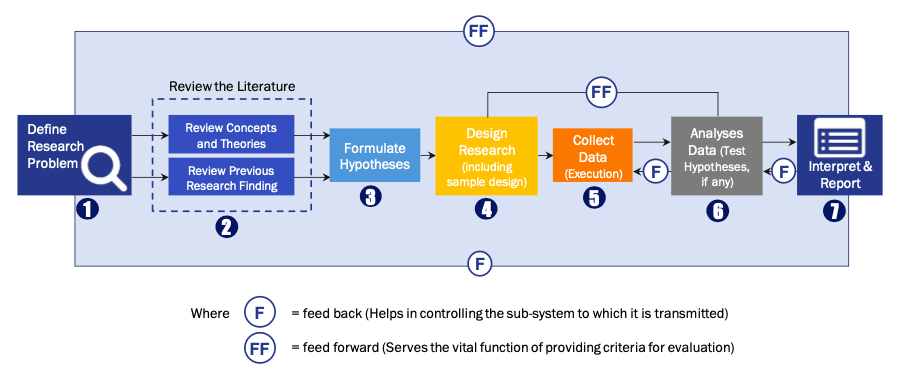
Primary Research
Extensive primary research was conducted to gain a deeper insight of the market and industry performance. The analysis is based on both primary and secondary research as well as years of professional expertise in the respective industries.
In addition to analysing current and historical trends, our analysts predict where the market is headed over the next five years.
It varies by segment for these categories geographically presented in the list of market tables. Speaking about this particular report we have conducted primary surveys (interviews) with the key level executives (VP, CEO’s, Marketing Director, Business Development Manager and many more) of the major players active in the market.
Secondary Research
Secondary research was mainly used to collect and identify information useful for the extensive, technical, market-oriented, and Friend’s study of the Global Extra Neutral Alcohol. It was also used to obtain key information about major players, market classification and segmentation according to the industry trends, geographical markets, and developments related to the market and technology perspectives. For this study, analysts have gathered information from various credible sources, such as annual reports, sec filings, journals, white papers, SOFT presentations, and company web sites.
Market Size Estimation
Both, top-down and bottom-up approaches were used to estimate and validate the size of the Global market and to estimate the size of various other dependent submarkets in the overall Extra Neutral Alcohol. The key players in the market were identified through secondary research and their market contributions in the respective geographies were determined through primary and secondary research.
Forecast Model