
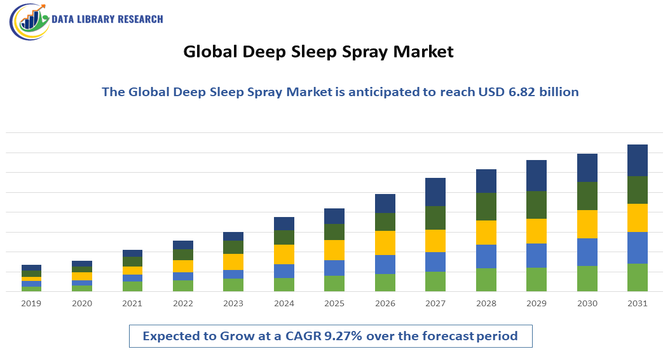
The Global Deep Sleep Spray Market size is projected to grow from USD 3.42 billion in 2025 to USD 6.82 billion by 2032, at a CAGR of 9.27% during the forecast period from 2025-2032.
Get Complete Analysis Of The Report - Download Updated Free Sample PDF
The Global Deep Sleep Spray Market encompasses the worldwide industry involved in the development, production, and distribution of spray formulations designed to promote deep, restful sleep. These sprays often contain natural extracts, essential oils, melatonin, or other sleep-aiding compounds delivered as a fine mist for ease of use. Driven by rising sleep disorders, stress, and wellness trends, the market serves consumers seeking non-pill sleep solutions across retail, online, and healthcare channels.
The global deep sleep spray market is growing rapidly as consumer awareness about sleep quality and wellness increases. Rising prevalence of sleep disorders and stress has pushed individuals toward non-pharmaceutical sleep aids, accelerating demand for natural sprays featuring calming ingredients like lavender, chamomile, and melatonin. There is a strong shift toward organic, holistic formulations that appeal to health-conscious buyers, while e-commerce and direct-to-consumer channels expand accessibility and convenience. Advanced delivery technologies, including micro-encapsulation and smart packaging, are enhancing efficacy and user experience, further encouraging adoption worldwide.
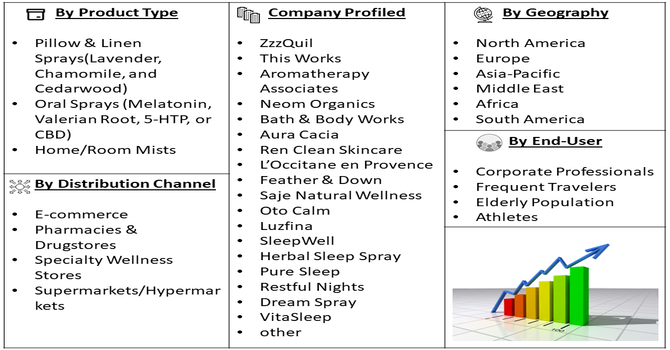
Segmentation: The Global Deep Sleep Spray Market is segmented by Product Type (Pillow & Linen Sprays(Lavender, Chamomile, and Cedarwood), Oral Sprays (Melatonin, Valerian Root, 5-HTP, or CBD), and Home/Room Mists), Ingredient Base (Natural/Herbal, Synthetic/Hormonal and Combination Blends), Distribution Channel (E-commerce, Pharmacies & Drugstores, Specialty Wellness Stores and Supermarkets/Hypermarkets), Price Point (Premium/Luxury and Mass Market), End-User (Corporate Professionals, Frequent Travelers, Elderly Population and Athletes), and Geography (North America, Europe, Asia-Pacific, Middle East and Africa, and South America). The report provides the value (in USD million) for the above segments.
For Detailed Market Segmentation - Get a Free Sample PDF
Market Drivers:
The global deep sleep spray market is being driven by the rising prevalence of sleep disorders and increased consumer awareness of sleep health. Worldwide, millions suffer from insomnia, restless sleep, and poor sleep quality, prompting individuals to seek effective, non-pharmaceutical solutions like deep sleep sprays that promote relaxation and improved rest. For instance, in 2025 an article published by Sleep Medicine Reviews, reported that insomnia is a widespread global health issue, affecting over 16% of the world’s population, with roughly one third of adults experiencing symptoms and about 10% meeting criteria for a diagnosable disorder, especially among adults and females. These high prevalence rates highlighted a widespread need for effective sleep solutions, which drove demand for deep sleep sprays as accessible, non pharmaceutical aids to improve sleep quality globally.
Further, the stress, lifestyle changes, screen exposure, and disrupted circadian rhythms have heightened public focus on sleep wellness. As more people recognize the link between quality sleep and overall health, demand for sprays with calming ingredients such as melatonin, lavender, and chamomile continues to grow significantly.
The market is further propelled by the shift toward natural, holistic, and non-invasive wellness products. Health-conscious consumers increasingly prefer plant-based and botanical formulations over traditional pharmaceutical sleep aids due to concerns about side effects and dependency. Deep sleep sprays that incorporate essential oils and natural extracts appeal to this preference, aligning with broader self-care and wellness trends. E-commerce expansion and easier access to diverse product options have made these sprays more available globally, encouraging trial and adoption. Sustainable packaging and ingredient transparency also resonate with modern consumers, further expanding the market’s reach and acceptance.
Market Restraints:
A key restraint on the deep sleep spray market is consumer skepticism and regulatory complexity related to product efficacy and safety. Despite rising demand, inconsistent clinical evidence and lack of standardized regulatory oversight create doubts about the effectiveness of many sleep spray products, particularly compared with pharmaceutical sleep aids. Variability in formulations, dosages, and ingredient quality can confuse consumers and erode trust. Additionally, differing regulatory requirements across regions complicate product approval and labeling, increasing compliance costs for manufacturers. These factors limit widespread acceptance among both consumers and healthcare professionals, potentially slowing market growth and adoption.
The deep sleep spray market influences public health and wellness by providing accessible alternatives to prescription sleep medications, potentially reducing healthcare costs associated with chronic sleep disorders. With millions affected by insomnia and poor sleep quality, these products support self-care practices and mental health awareness, contributing to improved overall well-being. The growth of this market also generates economic activity through manufacturing, retail, and e-commerce, creating jobs in product development, marketing, and distribution. However, disparities in awareness and disposable income may limit access in low-income regions, emphasizing the need for education and affordable solutions. Stakeholder engagement in education and regulation may further improve outcomes.
Segmental Analysis:
The melatonin oil sprays segment is expected to witness the highest growth over the forecast period as consumers increasingly seek convenient, fast-acting sleep aids. Melatonin, a natural hormone that regulates sleep-wake cycles, has strong scientific backing, making these sprays attractive to health-conscious users looking for effective alternatives to traditional pills. Sprays offer rapid absorption through mucous membranes, enhancing onset of sleep. Growing awareness of sleep health, rising insomnia prevalence, and preference for non-intensive dosing formats are driving demand. Manufacturers are innovating with blended botanicals and calming compounds to appeal to broader consumer groups, further boosting market growth.
The natural/herbal segment is anticipated to experience significant growth as consumers shift toward plant-based, chemical-free wellness products. Increasing concerns about side effects from synthetic sleep medications are encouraging adoption of deep sleep sprays formulated with herbs like lavender, chamomile, valerian, and passionflower. The wellness trend emphasizing holistic health and preventive care supports this shift. Additionally, eco-friendly branding, clean-label formulations, and certifications appeal to environmentally conscious buyers. Retail and online marketing focused on natural remedies has expanded consumer exposure and acceptance, especially among millennials and Gen Z. As a result, the natural/herbal segment is becoming the preferred choice in sleep-enhancing products.
The e-commerce segment is forecast to witness the highest growth over the forecast period due to increased online shopping trends and digital penetration. Consumers increasingly prefer the convenience of purchasing deep sleep sprays online, where they can compare products, read reviews, and access broader selections. Digital platforms offer subscription models, personalized recommendations, and targeted marketing, enhancing customer engagement and repeat purchases. Growth of mobile commerce and social-media-driven retail further fuels this trend. The global pandemic accelerated the shift to online health and wellness products, and efficient logistics have reduced delivery times. As e-commerce accessibility expands in emerging markets, this segment’s growth is expected to continue rapidly.
The premium/luxury segment is projected to register significant growth as consumers seek high-quality, premium sleep aids with advanced formulations and packaging. Affluent customers are willing to pay a premium for products featuring proprietary blends, certified organic ingredients, and scientifically developed formulas that promise enhanced sleep quality. Brand prestige, aesthetic design, and endorsements by wellness influencers and experts elevate demand. Luxury product lines often incorporate complementary calming elements such as essential oils and aromatherapy benefits, attracting discerning buyers. As global disposable incomes rise and wellness becomes a lifestyle priority, premium deep sleep sprays are attracting customers who equate higher cost with superior efficacy and experience.
The frequent travelers segment is expected to witness robust growth as mobile lifestyles and global travel resume post-pandemic. Travelers often face jet lag, disrupted sleep patterns, and irregular schedules, driving demand for portable, quick-acting sleep solutions like deep sleep sprays. Lightweight and easy to pack, these sprays appeal to airline passengers, business travelers, and vacationers alike. Airlines and travel brands increasingly market wellness products to enhance travel comfort, contributing to visibility. Spray formulations that reduce anxiety and promote relaxation are especially popular. As international travel rebounds and remote work encourages more travel, the frequent travelers segment is poised for rapid expansion.
North America is expected to witness the highest growth over the forecast period due to high awareness of sleep health, robust retail infrastructure, and strong consumer spending on wellness products. The region has a large population experiencing sleep disorders, driving demand for effective sleep aids. For instance, in September 2025, Mellow Sleep’s launch of the Advanced Cooling Ergonomic Pillow for Side Sleepers highlighted innovation in sleep comfort, indirectly boosting interest in holistic sleep wellness. By addressing physical sleep quality and comfort, it complemented demand for sleep-enhancing products like deep sleep sprays, reinforcing consumer focus on comprehensive sleep solutions and driving broader market growth.
Similarly, SleepScore Labs announced a partnership with IFF to create and validate sleep supporting products, enhancing consumer trust in scientifically backed sleep solutions. This collaboration underscored demand for integrated sleep wellness offerings and helped broaden interest in complementary products like deep sleep sprays, ultimately supporting growth in the global deep sleep spray market.
Extensive availability of products through pharmacies, health stores, and online platforms enhances market penetration. Consumers in North America are early adopters of natural and innovative sleep formats, including sprays. Strong marketing efforts, advanced distribution networks, and high digital penetration further support rapid growth. Additionally, research and promotional campaigns on sleep health resonate with regional preferences for preventive wellness solutions.
| Report Matrics | Details |
| Market Size Value | USD 6.82 billion |
| Growth Rate | CAGR of 9.27 % |
| Forecast | 2026-2033 |
| Historical data | 2021-2024 |
| Base Year | 2025 |
| Report Coverage | Forecasted revenue, company rating, competitive environment, growth drivers, and trends |
| Segment Coverage | Type, Application, End-User, Geography |
| Regional Scope | North America, Europe, Asia Pacific, Middle East |
| Customized scope | Free customization of reports (With 3 months' analysis support) |
| To Learn More About This Report | Request a Free Sample Copy |
The competitive landscape of the global deep sleep spray market is moderately fragmented, featuring a mix of established wellness brands and emerging niche players. Companies compete on product innovation, formulation quality, and distribution reach, with many focusing on natural, organic ingredients to differentiate themselves. Established brands benefit from broad retail networks and marketing capabilities, while newer entrants leverage digital channels and direct-to-consumer strategies to reach targeted consumers. Product diversification, such as premium and personalized offerings, is increasingly important. Mergers, partnerships, and investments in R&D are shaping competitive dynamics as firms strive to enhance efficacy, branding, and consumer loyalty, especially in key markets like North America and Europe.
The major companies working in this market are:
Recent Development
Q1. What are the main growth-driving factors for this market?
The primary driver is the rising global prevalence of insomnia and sleep disorders caused by increased stress and high-screen-time lifestyles. Consumers are moving away from heavy pharmaceuticals in favor of natural, non-habit-forming alternatives. The convenience of "pillow sprays" and oral mists makes them highly attractive for busy people seeking a quick bedtime ritual.
Q2. What are the main restraining factors for this market?
Growth is limited by a lack of strict regulation, which leads to varying product quality and skeptical consumers. Many "aromatherapy" sprays lack clinical backing, making it hard to prove their effectiveness compared to medical treatments. Additionally, the availability of cheaper alternatives, like traditional herbal teas or generic essential oils, creates intense price competition.
Q3. Which segment is expected to witness high growth?
The Melatonin-based Oral Sprays segment is expected to see the highest growth. Unlike simple lavender pillow mists, these sprays are ingested and absorbed quickly into the bloodstream. As consumers look for faster-acting results to reset their internal clocks—especially for jet lag or shift work—these functional "nutraceutical" sprays are becoming top sellers.
Q4. Who are the top major players for this market?
The market features a mix of wellness brands and pharmaceutical companies. Key players include This Works, Renpure, Vicks (P&G), and Natrol. These companies dominate by offering a range of products, from luxury lavender essential oil pillow mists to clinical-grade melatonin oral sprays found in major retail pharmacies.
Q5. Which country is the largest player?
The United States is the largest player in this market. This dominance is due to a high awareness of sleep health, a massive wellness and "self-care" culture, and significant spending on over-the-counter sleep aids. The presence of major health-focused retail chains and a high rate of reported work-related stress fuel constant demand.
Data Library Research are conducted by industry experts who offer insight on industry structure, market segmentations technology assessment and competitive landscape (CL), and penetration, as well as on emerging trends. Their analysis is based on primary interviews (~ 80%) and secondary research (~ 20%) as well as years of professional expertise in their respective industries. Adding to this, by analysing historical trends and current market positions, our analysts predict where the market will be headed for the next five years. Furthermore, the varying trends of segment & categories geographically presented are also studied and the estimated based on the primary & secondary research.
In this particular report from the supply side Data Library Research has conducted primary surveys (interviews) with the key level executives (VP, CEO’s, Marketing Director, Business Development Manager and SOFT) of the companies that active & prominent as well as the midsized organization
FIGURE 1: DLR RESEARH PROCESS
Extensive primary research was conducted to gain a deeper insight of the market and industry performance. The analysis is based on both primary and secondary research as well as years of professional expertise in the respective industries.
In addition to analysing current and historical trends, our analysts predict where the market is headed over the next five years.
It varies by segment for these categories geographically presented in the list of market tables. Speaking about this particular report we have conducted primary surveys (interviews) with the key level executives (VP, CEO’s, Marketing Director, Business Development Manager and many more) of the major players active in the market.
Secondary ResearchSecondary research was mainly used to collect and identify information useful for the extensive, technical, market-oriented, and Friend’s study of the Global Extra Neutral Alcohol. It was also used to obtain key information about major players, market classification and segmentation according to the industry trends, geographical markets, and developments related to the market and technology perspectives. For this study, analysts have gathered information from various credible sources, such as annual reports, sec filings, journals, white papers, SOFT presentations, and company web sites.
Market Size EstimationBoth, top-down and bottom-up approaches were used to estimate and validate the size of the Global market and to estimate the size of various other dependent submarkets in the overall Extra Neutral Alcohol. The key players in the market were identified through secondary research and their market contributions in the respective geographies were determined through primary and secondary research.
Forecast Model