
Get Complete Analysis Of The Report - Download Updated Free Sample PDF
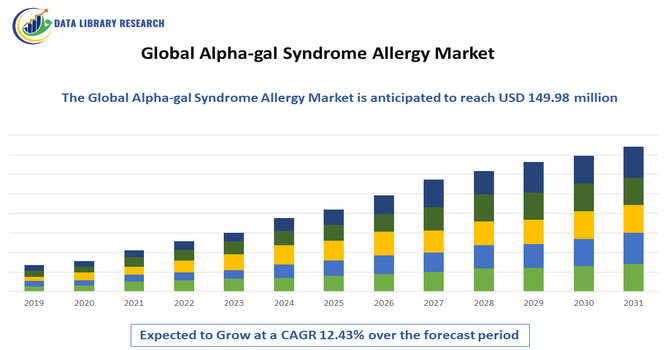
The Global Alpha-gal Syndrome Allergy Market pertains to the diagnosis, treatment, and management of AGS, a tick-bite-induced IgE-mediated allergy to the carbohydrate galactose-α-1,3-galactose found in mammalian products. This niche allergy market includes emergency medications (e.g., epinephrine auto-injectors), antihistamines, corticosteroids, and specialized diagnostic tests.
The market trends include increased clinical recognition of AGS and expanding awareness among healthcare providers and patients, which is driving demand for specific diagnostic tests and management solutions. The epinephrine drug class dominates revenue due to its vital role in treating potentially life-threatening AGS anaphylaxis, while corticosteroid prescriptions are growing for symptom control. Retail pharmacy channels still lead distribution, but online pharmacies are rapidly expanding thanks to rising digital healthcare adoption. Geographic trends point to continued U.S. market leadership and emerging demand in Europe and Asia Pacific as tick exposure awareness rises and diagnosis improves worldwide.
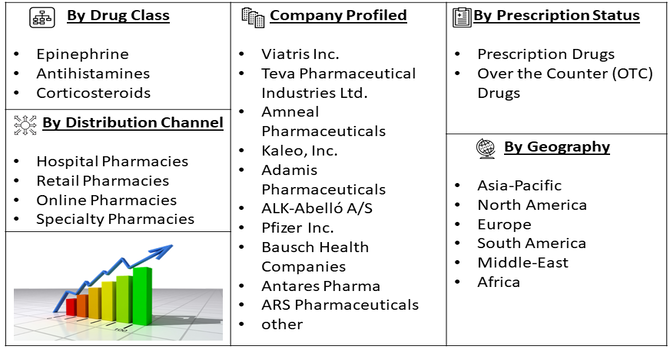
Segmentation: The Global Alpha-gal syndrome Allergy Market is segmented by Drug Class (Epinephrine, Antihistamines and Corticosteroids), Prescription Status (Prescription Drugs and Over the Counter (OTC) Drugs), Distribution Channel (Hospital Pharmacies, Retail Pharmacies, Online Pharmacies and Specialty Pharmacies), and Geography (North America, Europe, Asia-Pacific, Middle East and Africa, and South America). The report provides the value (in USD million) for the above segments.
For Detailed Market Segmentation - Get a Free Sample PDF
Market Drivers:
A major driver of the Global Alpha-gal Syndrome Allergy Market is the rising clinical recognition and public awareness of AGS. For instance, in July 2023, The CDC reported that from 2010 to 2022, over 110,000 suspected alpha-gal syndrome cases were identified, while estimates suggested up to 450,000 Americans may have been affected due to underdiagnosis. Reports also indicated many healthcare providers were unfamiliar with AGS, and those aware demonstrated limited knowledge regarding its diagnosis and management.
Historically underdiagnosed, AGS has seen a substantial increase in reported cases over the last decade due to better clinician education, improved diagnostic capabilities, and targeted awareness campaigns by health organizations. As more physicians incorporate alpha-gal IgE testing and allergy screening into practice, the number of diagnosed cases grows, creating greater demand for allergy treatments, emergency medications, and patient management resources. This trend is especially pronounced in North America and expanding globally, boosting market growth and investment.
Another key market driver is the expansion of diversified distribution channels, particularly the rapid growth of online pharmacies. With increased digital healthcare adoption, patients managing chronic conditions like AGS seek the convenience of online ordering for prescriptions, including epinephrine auto-injectors and supportive medications. E-commerce platforms, telehealth services, and secure digital prescription systems enhance access, especially in semi-urban and rural areas. Online channels also enable subscription refills and price transparency, which improve medication adherence and widen market reach. Meanwhile, traditional retail pharmacies continue to hold significant share due to pharmacist counselling and immediate accessibility.
Market Restraints:
A restraint in the global AGS allergy market is the limited availability of AGS-specific therapeutics beyond emergency management. While epinephrine auto-injectors, antihistamines, and corticosteroids are used to manage AGS symptoms, there are no widely approved targeted therapies specifically designed to address the underlying immune mechanism of alpha-gal sensitization. This limits product differentiation and confines growth to supportive care rather than curative or disease-modifying treatment development. Furthermore, delayed diagnosis and under-recognition of the condition by many healthcare providers can reduce utilization of available treatments, restraining broader market potential and investment in specialized drug development.
The socioeconomic impact of the AGS allergy market is significant as the condition affects quality of life, imposes long-term dietary changes, and raises ongoing healthcare costs for sufferers. Increased incidence or recognition of AGS leads to greater spending on diagnostics, medications, and emergency care. Early diagnosis and awareness can reduce severe reactions and associated costs, but populations in rural or high-tick regions may face limited access to specialized care. Broader education campaigns influence productivity and healthcare resource allocation. Over time, the growing market supports jobs in research, clinical care, and pharmaceutical distribution while driving investment in allergy innovation.
Segmental Analysis:
The antihistamines segment in the global Alpha-gal syndrome allergy market is expected to witness the highest growth over the forecast period as patient preference shifts toward accessible, convenient symptomatic relief. As awareness of AGS rises, more individuals are recognizing mild to moderate allergic manifestations such as itching, urticaria, and gastrointestinal discomfort, leading to higher demand for oral and OTC antihistamine formulations. These products are widely available and can be self-administered, enhancing patient autonomy in early symptom management. Growth is also supported by expanding retail distribution and rising digital pharmacy sales, which improve access and adherence. In parallel, the broader antihistamine drug class continues to benefit from rising prevalence of allergic conditions globally.
The prescription drugs segment is expected to witness strong growth in the global Alpha-gal syndrome allergy market over the forecast period due to ongoing clinical management needs. Most AGS patients require physician-supervised treatment plans that include prescribed epinephrine auto-injectors and more targeted pharmacological therapies for moderate to severe reactions, bolstering prescription drug utilization. Regulatory frameworks governing emergency anaphylaxis treatments also favor prescription use, reinforcing clinician involvement. Increasing diagnostic uptake, including lab-confirmed alpha-gal IgE testing, further drives patients into healthcare systems where prescription drugs are predominant. Enhanced reimbursement support and specialist consultations in developed regions will continue to support the prescription segment’s dominance and revenue growth.
The hospital pharmacies segment of the Alpha-gal syndrome allergy market is expected to witness robust growth over the forecast period. Hospital pharmacies play a pivotal role in supporting acute care and ongoing management of allergic reactions, particularly for patients experiencing severe manifestations requiring clinical supervision. These facilities dispense critical medications such as epinephrine auto-injectors, corticosteroids, and supportive therapies under healthcare provider oversight, ensuring safe and effective treatment. The increased incidence of AGS, along with improved clinician awareness and testing, is driving higher volumes of patient visits to hospital systems, which in turn elevates demand through hospital pharmacy channels. Their integration with wider healthcare networks makes this segment a key growth driver.
The North America region is expected to witness the highest growth in the global Alpha-gal syndrome allergy market during the forecast period. North America accounted for the largest share of the global market due to a high prevalence of tick species associated with AGS and strong clinical awareness that has significantly increased diagnoses and patient management efforts.
The region’s advanced healthcare infrastructure, widespread availability of diagnostic testing, and robust public health initiatives further drive market expansion. For instance, IgGenix, Inc. announced in 2025 that it presented new data at the AAAAI/WAO Joint Congress in San Diego, highlighting the discovery of alpha-gal-specific monoclonal antibodies from red meat-allergic individuals. This advancement strengthened research momentum and boosted innovation prospects within North America’s Alpha-gal syndrome allergy market, supporting future targeted therapy development.
Additionally, increasing research funding, specialist care integration, and patient education campaigns reinforce sustained growth. For instance, in 2025, researchers at VCU reported that preliminary findings presented in 2025 reported a 100-fold rise in positive alpha-gal antibody tests across the United States between 2013 and 2024. The sharp increase in diagnosed cases heightened clinical awareness and testing demand, thereby accelerating growth in North America’s Alpha-gal syndrome allergy market, particularly diagnostics and treatment solutions. The U.S., in particular, remains a key market contributor, with documented rises in suspected AGS cases boosting demand for allergy management products. Thus, all such factors together are driving this market’s growth in this region.
To Learn More About This Report - Request a Free Sample Copy
The competitive landscape of the AGS allergy market is shaped by major pharmaceutical and diagnostics firms offering epinephrine auto-injectors, antihistamines, corticosteroids, and related allergy treatments. Dominant players in the broader allergy management space—such as Viatris Inc., Teva Pharmaceutical Industries Ltd., Amneal Pharmaceuticals, kaleo, Inc., Adamis Pharmaceuticals, ALK-Abelló A/S, Pfizer Inc., Bausch Health Companies, Antares Pharma, and ARS Pharmaceuticals—provide emergency and supportive therapies critical to AGS care. Companies differentiate via product innovation (e.g., ease-of-use injector devices), brand reputation, global distribution, and expanded allergy portfolios. Smaller niche and diagnostic firms also contribute with specialized testing solutions.
The major players are:
Recent Development
Q1. What is the main growth-driving factors for this market?
Market growth is primarily driven by the expanding geographic range of tick species, particularly the Lone Star tick, which triggers the allergy. Increased clinical recognition and the availability of specific IgE blood tests are improving diagnosis rates. Furthermore, rising public awareness and expanded availability of epinephrine auto-injectors are supporting market expansion.
Q2. What are the main restraining factors for this market?
A significant hurdle is the lack of a definitive cure, leaving patients reliant on lifelong avoidance of mammalian products. Underdiagnosis remains high due to the delayed nature of allergic reactions, which often occur hours after consumption. Additionally, limited healthcare provider awareness and the niche nature of the condition can restrict specialized care access.
Q3. Which segment is expected to witness high growth?
The antihistamines segment is expected to witness the highest growth over the forecast period due to increasing recognition of mild to moderate Alpha-gal syndrome symptoms, greater OTC accessibility, and rising patient preference for convenient, self-managed relief. Expanded retail and online distribution further enhances market penetration and consumer uptake of antihistamine products.
Q4. Who are the top major players for this market?
The competitive landscape is dominated by pharmaceutical companies providing emergency and symptomatic relief, such as Viatris (Mylan), Pfizer, and GlaxoSmithKline (GSK). Other key players include Teva Pharmaceutical Industries, Bausch Health, Amneal Pharmaceuticals, and ALK-Abelló, which focus on allergy diagnostics and various delivery systems for epinephrine and anti-inflammatory medications.
Q5. Which country is the largest player?
The United States is the largest market player, accounting for over 80% of global revenue. Its dominance is fuelled by the high prevalence of the Lone Star tick in the Southern and Eastern regions, a robust allergy diagnostic infrastructure, and high consumer spending on emergency medical devices like EpiPens.
Data Library Research are conducted by industry experts who offer insight on industry structure, market segmentations technology assessment and competitive landscape (CL), and penetration, as well as on emerging trends. Their analysis is based on primary interviews (~ 80%) and secondary research (~ 20%) as well as years of professional expertise in their respective industries. Adding to this, by analysing historical trends and current market positions, our analysts predict where the market will be headed for the next five years. Furthermore, the varying trends of segment & categories geographically presented are also studied and the estimated based on the primary & secondary research.
In this particular report from the supply side Data Library Research has conducted primary surveys (interviews) with the key level executives (VP, CEO’s, Marketing Director, Business Development Manager and SOFT) of the companies that active & prominent as well as the midsized organization
FIGURE 1: DLR RESEARH PROCESS
Extensive primary research was conducted to gain a deeper insight of the market and industry performance. The analysis is based on both primary and secondary research as well as years of professional expertise in the respective industries.
In addition to analysing current and historical trends, our analysts predict where the market is headed over the next five years.
It varies by segment for these categories geographically presented in the list of market tables. Speaking about this particular report we have conducted primary surveys (interviews) with the key level executives (VP, CEO’s, Marketing Director, Business Development Manager and many more) of the major players active in the market.
Secondary ResearchSecondary research was mainly used to collect and identify information useful for the extensive, technical, market-oriented, and Friend’s study of the Global Extra Neutral Alcohol. It was also used to obtain key information about major players, market classification and segmentation according to the industry trends, geographical markets, and developments related to the market and technology perspectives. For this study, analysts have gathered information from various credible sources, such as annual reports, sec filings, journals, white papers, SOFT presentations, and company web sites.
Market Size EstimationBoth, top-down and bottom-up approaches were used to estimate and validate the size of the Global market and to estimate the size of various other dependent submarkets in the overall Extra Neutral Alcohol. The key players in the market were identified through secondary research and their market contributions in the respective geographies were determined through primary and secondary research.
Forecast Model