
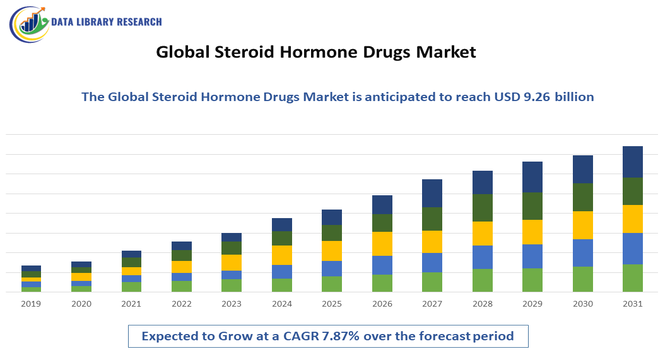
Get Complete Analysis Of The Report - Download Updated Free Sample PDF
The Global Steroid Hormone Drugs Market refers to the worldwide pharmaceutical sector that produces and commercializes drugs based on steroid hormones, including corticosteroids, sex hormones (estrogens, progesterones), anabolic steroids, and related formulations used to treat hormone imbalances, inflammation, autoimmune conditions, asthma, cancer, fertility issues, and other health conditions. These drugs are synthesized as active pharmaceutical ingredients (APIs) and formulated into various dosage forms (oral, injectable, inhalable, topical) for clinical use. The market encompasses research and development, manufacturing, regulatory approval, distribution, and sales across hospitals, pharmacies, and clinics globally, with strong growth driven by increasing prevalence of chronic diseases.
The key trends shaping the global steroid hormone drugs market include a shift toward advanced delivery systems such as inhalation devices and topical nano-formulations that enhance drug efficacy and patient adherence. There is significant investment in personalized and bioidentical hormone therapies tailored to individual health profiles and needs. Geographic expansion in emerging economies, especially in Asia-Pacific, is boosting production and demand due to improved healthcare access and greater disease awareness. Additionally, digitalization of manufacturing and regulatory compliance is improving production efficiency. The rising prevalence of chronic respiratory and autoimmune diseases continues to sustain long-term market demand for corticosteroid and hormone therapies.
Segmentation: The Global Steroid Hormone Drugs Market is segmented by Product Type (Corticosteroids, Sex Hormones and Anabolic Steroids), Route of Administration (Oral Formulations, Injectable Steroids, Topical & Transdermal and Others), Therapeutic Application (Inflammatory and Autoimmune Disorders, Respiratory Disease Management, Hormone Replacement Therapy (HRT), Oncology Supportive Care, Sports Medicine & Injury Recovery and Dermatological Uses), End-User (Hospitals, Clinics & Outpatient Centers, Homecare Settings, Pharmacies & Retail Channels and Research & Diagnostic Institutions), and Geography (North America, Europe, Asia-Pacific, Middle East and Africa, and South America). The report provides the value (in USD million) for the above segments.
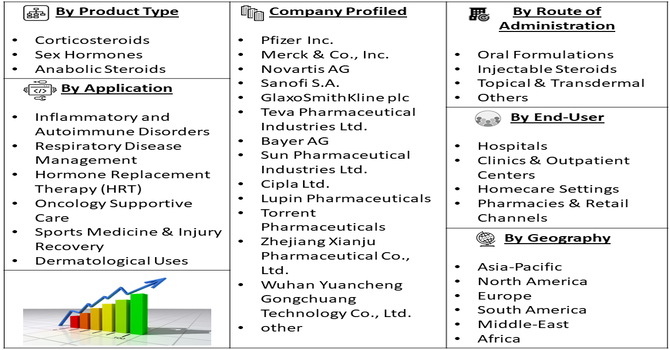
For Detailed Market Segmentation - Get a Free Sample PDF
Market Drivers:
A primary driver of the steroid hormone drugs market is the increasing global prevalence of chronic and inflammatory conditions such as asthma, rheumatoid arthritis, autoimmune diseases, and hormone deficiencies. For instance, in 2025, an article published by The Lancet, reported that globally, in 2023, 788 million (95% uncertainty interval 743–843) people aged 20 years and older were estimated to have CKD, up from 378 million (354–407) in 1990. Similarly, in 2025, NCBI published an article reported that in India, Lupus affects an estimated 14 to 60 people per 100,000 population.
Aging populations in developed and emerging regions require hormone replacement therapies to manage health decline associated with age-related endocrine disorders. Higher diagnosis rates of chronic diseases and enhanced clinical guidelines for steroid hormone treatment are elevating prescription volumes. Advances in medical technology and improved healthcare access also increase patient uptake. Additionally, awareness of therapeutic benefits and expanded insurance reimbursement policies lower economic barriers, fueling sustained market growth.
Technological advancements in steroid drug formulation and delivery systems are boosting the market’s potential. Precision medicine approaches, including personalized hormonal treatment plans based on genetic and endocrine profiling, improve treatment effectiveness and patient outcomes. Innovations in controlled-release devices, inhalable steroid therapies, and nanoformulations contribute to better management of complex conditions. Pharmaceutical companies are investing in digital transformation of manufacturing, regulatory compliance, and formulation research to reduce costs and increase quality. Expansion of healthcare infrastructure in emerging economies facilitates adoption of these advanced therapies, creating new opportunities for market penetration and differentiation.
Market Restraints:
A key restraint for the steroid hormone drugs market is growing concern over side effects and adverse health outcomes associated with prolonged or inappropriate use of steroid therapies. Long-term use can cause complications such as immunosuppression, osteoporosis, hormonal imbalances, and weight changes, leading to reduced patient compliance and stricter regulatory oversight. Regulatory bodies in many countries have increased scrutiny on steroid prescriptions and enforce rigorous approval standards to limit misuse, particularly in sports and recreational settings. High research and development costs, complex manufacturing processes, and negative public perceptions concerning steroid abuse also slow market expansion and accessibility in certain regions.
The steroid hormone drugs market has considerable socioeconomic impact by improving healthcare outcomes, enhancing quality of life for patients with hormonal and chronic conditions, and reducing long-term healthcare costs through effective disease management. Increased access to these therapies supports workforce participation and productivity among individuals affected by asthma, arthritis, cancer, and hormone deficiencies. The pharmaceutical sector also creates employment in research, manufacturing, and distribution, contributing to economic growth and innovation. However, concerns over inappropriate use and long-term side effects have prompted public health campaigns and regulatory monitoring. Investment in these drugs strengthens healthcare infrastructure, particularly in developing regions with growing medical needs.
Segmental Analysis:
The corticosteroids segment is projected to witness the highest growth in the Global Steroid Hormone Drugs Market due to the increasing global prevalence of chronic inflammatory conditions such as asthma, arthritis, autoimmune disorders, and dermatological diseases. Corticosteroids remain a cornerstone in managing inflammation and immune response, driving widespread clinical adoption across respiratory and systemic treatments. Technological advancements in formulations, including inhaled and localized delivery systems with improved safety profiles, are further expanding therapeutic applications. Additionally, rising patient awareness and guideline-based recommendations for corticosteroid therapies, particularly in respiratory and chronic disease management, are expected to significantly elevate market demand and uptake throughout the forecast period.
The injectable steroids segment is anticipated to experience robust growth over the forecast period as healthcare providers increasingly prefer these formulations for targeted and rapid relief in acute and chronic conditions. Injectable steroids, including intra-articular, intramuscular, and intravenous forms, are widely used for pain management, musculoskeletal disorders, severe allergic reactions, and autoimmune diseases. Growth is bolstered by advancements in drug delivery technologies that improve efficacy and reduce systemic side effects. Moreover, the rising incidence of chronic inflammatory illnesses and expanding use of steroid injections in outpatient and specialty clinic settings are driving demand for injectable steroid therapies worldwide, positioning this segment for substantial expansion.
The hormone replacement therapy (HRT) segment is projected to witness significant growth within the Global Steroid Hormone Drugs Market due to rising prevalence of hormonal imbalances, menopause-related conditions, and endocrine disorders among aging populations globally. Demand for HRT is fueled by increasing awareness of symptom management for menopause, osteoporosis, hypogonadism, and thyroid conditions. Expansion of personalized medicine, development of advanced and safer formulations, and greater access to care in developed regions support broader adoption. North America, in particular, is expected to maintain dominance in this segment due to high healthcare expenditure, established treatment protocols, and substantial R&D investments. Overall, the HRT segment is poised for strong long-term expansion.
The clinics & outpatient centers segment is expected to witness the highest growth among end-users for steroid hormone drugs, driven by shifts in healthcare delivery toward decentralized, cost-effective care models. Clinics and outpatient facilities are increasingly utilized for routine management of chronic conditions requiring steroid therapies, including asthma, autoimmune disorders, and musculoskeletal pain. Patients and providers are favoring outpatient settings due to shorter wait times, greater accessibility, lower treatment costs, and advancements in minimally invasive procedures. Combined with the growing prevalence of chronic diseases and rising healthcare demand, this trend supports strong expansion of steroid prescription and administration in clinics and outpatient centers worldwide throughout the forecast period.
The North American region is expected to witness the highest growth in the Global Steroid Hormone Drugs Market due to its advanced healthcare infrastructure, strong pharmaceutical R&D ecosystem, high prescription rates, and significant healthcare spending.
North America consistently leads in adoption of innovative steroid and hormone therapies for inflammatory, respiratory, autoimmune, and endocrine conditions. The presence of major pharmaceutical companies, well-established distribution channels, and favorable reimbursement environments further boost market expansion. For instance, in July 2022, Merck & Co., Inc. (known as MSD outside the United States and Canada) and Orion Corporation announced a global development and commercialization agreement for ODM-208, a CYP11A1 inhibitor targeting steroid biosynthesis. The collaboration strengthened North America’s steroid hormone drugs market by accelerating oncology-focused innovation, expanding late-stage pipelines, and reinforcing investment in advanced hormone-modulating therapies for metastatic castration-resistant prostate cancer treatment.
Similarly, in 2025, DATROWAY, developed by AstraZeneca, received U.S. FDA approval for HR-positive, HER2-negative metastatic breast cancer based on TROPION-Breast01 results. The approval strengthened North America’s steroid hormone drugs market by advancing hormone-targeted oncology therapies and expanding endocrine-based treatment demand.
Additionally, increasing prevalence of chronic diseases and an aging population that demands long-term hormone management therapies are driving regional growth, securing North America’s robust forecasted growth trajectory within the global market. For instance, in 2025, CDC reported that Each year in the United States, 1.8 million people are diagnosed with cancer, and more than 38 million Americans have diabetes, and another 98 million adults in the United States have prediabetes, which puts them at risk for type 2 diabetes. Thus, all such factors are driving the growth of this market in this region over the forecast period.
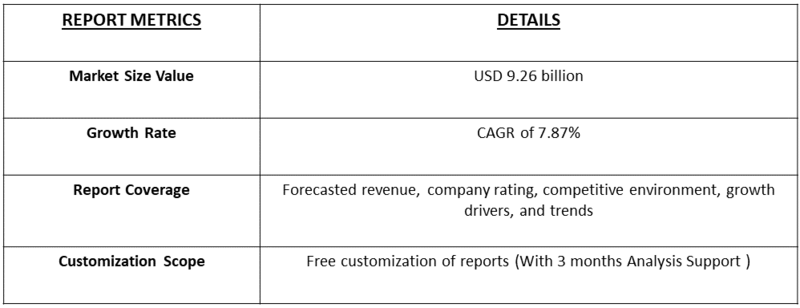
To Learn More About This Report - Request a Free Sample Copy
The competitive landscape of the global steroid hormone drugs market is moderately consolidated, with established multinational pharmaceutical companies dominating through strong R&D capabilities, extensive product portfolios, regulatory approvals, and global distribution networks. Major players compete on the basis of drug efficacy, safety profiles, formulation innovation, and strategic partnerships such as mergers, acquisitions, and licensing agreements. Generic manufacturers also influence pricing dynamics and market accessibility. Companies differentiate through focus on specialized therapies, advanced delivery technologies, and expansion into emerging markets. Regional players contribute by serving local demand, particularly in hormone APIs and intermediates, which enhances supply-chain resilience and competitive diversity in the sector.
The major players are:
Recent Development
Q1. What are the main growth-driving factors for this market?
The primary drivers include the rising prevalence of chronic inflammatory diseases, autoimmune disorders, and hormone-related cancers. Demographic shifts toward an aging global population have increased demand for hormone replacement therapies. Furthermore, advancements in drug delivery systems and increased clinical applications in dermatology and ophthalmology continue to propel market expansion significantly.
Q2. What are the main restraining factors for this market?
Growth is primarily hindered by the severe side effects associated with long-term steroid use, such as osteoporosis, hypertension, and immunosuppression. Additionally, the market faces challenges from strict regulatory approval processes and the increasing availability of lower-cost generic alternatives, which can erode the profit margins and market share of brand-name manufacturers.
Q3. Which segment is expected to witness high growth?
The corticosteroids segment is projected to witness the highest growth due to its extensive use in treating respiratory conditions like asthma and COPD. Additionally, the oncology application segment is expanding rapidly as steroid hormones become integral to palliative care and combination chemotherapy regimens for breast, prostate, and hematologic cancers.
Q4. Who are the top major players for this market?
The market is dominated by global pharmaceutical leaders, including Pfizer Inc., Novartis AG, Merck & Co., and Sanofi. Other significant contributors include AbbVie Inc., GlaxoSmithKline (GSK), and Bayer AG. These companies maintain their positions through continuous R&D investment, strategic mergers, and a broad portfolio of specialized hormonal treatments.
Q5. Which country is the largest player?
The United States is the largest player in this market, driven by its sophisticated healthcare infrastructure, high healthcare expenditure, and the presence of major pharmaceutical corporations. The region's market dominance is further supported by high diagnosis rates for endocrine disorders and a regulatory environment that encourages rapid pharmaceutical innovation.
Data Library Research are conducted by industry experts who offer insight on industry structure, market segmentations technology assessment and competitive landscape (CL), and penetration, as well as on emerging trends. Their analysis is based on primary interviews (~ 80%) and secondary research (~ 20%) as well as years of professional expertise in their respective industries. Adding to this, by analysing historical trends and current market positions, our analysts predict where the market will be headed for the next five years. Furthermore, the varying trends of segment & categories geographically presented are also studied and the estimated based on the primary & secondary research.
In this particular report from the supply side Data Library Research has conducted primary surveys (interviews) with the key level executives (VP, CEO’s, Marketing Director, Business Development Manager and SOFT) of the companies that active & prominent as well as the midsized organization
FIGURE 1: DLR RESEARH PROCESS
Extensive primary research was conducted to gain a deeper insight of the market and industry performance. The analysis is based on both primary and secondary research as well as years of professional expertise in the respective industries.
In addition to analysing current and historical trends, our analysts predict where the market is headed over the next five years.
It varies by segment for these categories geographically presented in the list of market tables. Speaking about this particular report we have conducted primary surveys (interviews) with the key level executives (VP, CEO’s, Marketing Director, Business Development Manager and many more) of the major players active in the market.
Secondary ResearchSecondary research was mainly used to collect and identify information useful for the extensive, technical, market-oriented, and Friend’s study of the Global Extra Neutral Alcohol. It was also used to obtain key information about major players, market classification and segmentation according to the industry trends, geographical markets, and developments related to the market and technology perspectives. For this study, analysts have gathered information from various credible sources, such as annual reports, sec filings, journals, white papers, SOFT presentations, and company web sites.
Market Size EstimationBoth, top-down and bottom-up approaches were used to estimate and validate the size of the Global market and to estimate the size of various other dependent submarkets in the overall Extra Neutral Alcohol. The key players in the market were identified through secondary research and their market contributions in the respective geographies were determined through primary and secondary research.
Forecast Model